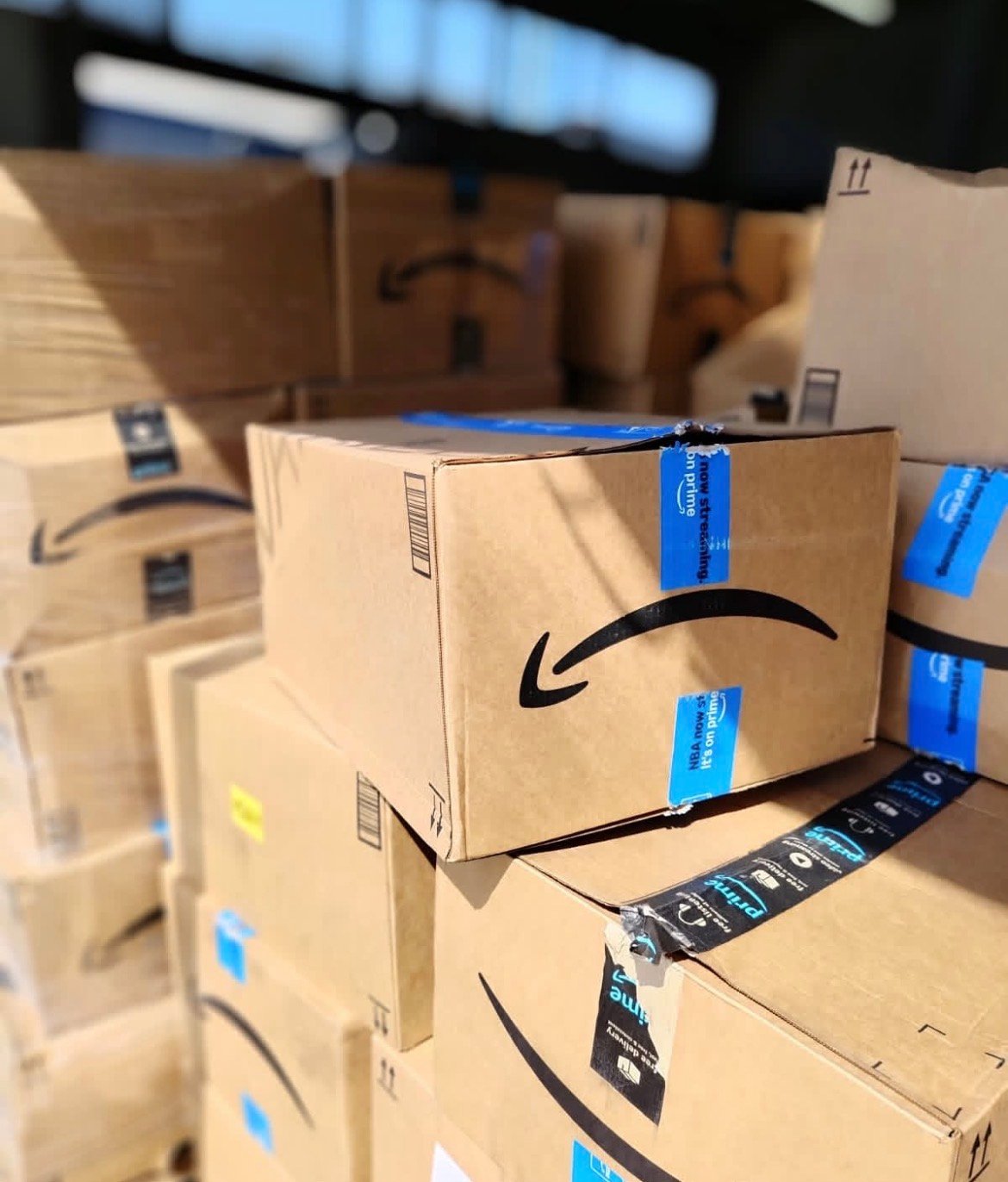
Amazon processes an enormous volume of returns and excess inventory every single year, and almost none of it goes to waste. According to National Retail Federation research on retail returns, returns represent hundreds of billions of dollars in merchandise annually across U.S. retail, and Amazon’s share of that volume is substantial given its position as the country’s largest online retailer. Instead, it flows into a genuine, well-established secondary market that resellers across the country tap into every week.
If you’ve been curious about Amazon liquidation pallets but aren’t sure where they actually come from, how to buy them safely, or what to do once a pallet lands on your doorstep, this guide walks through the entire process from start to finish.
Amazon Liquidation Pallets Guide— Where This Inventory Actually Comes From
Amazon Liquidation Pallets — Why Amazon Doesn’t Sell Directly to You
Here’s something that trips up a lot of first-time buyers: Amazon does not sell Amazon liquidation pallets directly to individual resellers. Instead, Amazon sells its returned and excess inventory in bulk to authorized liquidation partners, who then break that inventory down into pallets and truckloads for buyers like you. This is standard practice across nearly every major retailer, not just Amazon, and it exists because processing millions of individual returns one at a time simply isn’t practical for a company operating at Amazon’s scale.
Amazon Liquidation Pallets — B-Stock and the Official Amazon Liquidation Auctions Channel
The closest thing to buying directly from Amazon is through B-Stock, which operates Amazon’s official liquidation auction channel. On this platform, Amazon returns pallets and overstock lots go up for auction, and buyers bid against each other for each load.
Winning bids on B-Stock typically land somewhere between 10 and 25 percent of the stated retail value, depending on category and condition grade, and B-Stock adds a flat buyer’s premium on top of the winning bid, commonly around 10 percent. Getting registered requires a business verification step, including a valid resale certificate, and approval isn’t instant, plan for several business days before you can actually place a bid.
Beyond B-Stock, Amazon-sourced inventory also flows through other established liquidation marketplaces and regional wholesalers, which is exactly the kind of source a supplier like Wholesale Pallet Depot works with to bring Amazon liquidation inventory to resellers without requiring you to navigate an auction process yourself. For a full picture of how B-Stock’s official liquidation platform operates, their own documentation covers the registration and bidding process in detail.
Amazon Liquidation Pallets Guide — Amazon Returns Pallets vs Amazon Overstock Pallets
Amazon Liquidation Pallets — What Amazon Returns Pallets Typically Include
Amazon customer returns pallets are built from items shoppers actually purchased, received, and sent back for any number of reasons. it didn’t fit, it arrived damaged, it wasn’t what they expected, or they simply changed their mind. Because the reasons for return vary so widely, condition inside these pallets varies too. Some items are essentially unused, others show real signs of handling or use, and a smaller portion may be genuinely defective or missing components.
One detail worth knowing: return volume and quality shift seasonally. Pallets processed between January and March, right after the holiday season, consistently run higher in like-new and unopened condition, since a large share of January-through-March returns are unwanted gifts and duplicate purchases rather than genuinely defective products.
Amazon Liquidation Pallets — What Amazon Overstock Pallets Typically Include
Amazon overstock pallets are a different animal entirely. This inventory was never purchased or returned by a customer at all. it’s excess stock, a discontinued listing, or inventory that didn’t sell through before a seasonal window closed. Because overstock was never touched by an end customer, it typically arrives in noticeably better condition than a comparable returns pallet, often at 80 to 90 percent sellable versus the 60 to 80 percent sellable rate more typical of a genuine returns pallet.
Amazon Liquidation Pallets — How to Buy Amazon Liquidation Pallets the Right Way
Amazon Liquidation Pallets — Getting Registered and Verified
Whether you’re buying through an auction platform or a direct wholesale supplier, most legitimate sources of Amazon liquidation pallets will expect some form of business verification, typically a resale certificate and sometimes an EIN. This isn’t bureaucratic gatekeeping for its own sake; it’s a genuine signal that you’re dealing with a properly licensed liquidation channel rather than an unregulated reseller of questionable origin. If you haven’t sorted out this paperwork yet, our guide on getting licensed to buy liquidation pallets walks through exactly what you need.
Amazon Liquidation Pallets — Reading the Manifest Before You Bid or Buy
A manifest is your single most useful tool when you’re deciding whether to buy Amazon liquidation pallets from a specific listing. A good manifest lists individual items, their stated condition, and an estimated retail value, giving you a real basis for calculating potential return before you commit any money. That said, manifests are sometimes optimistic about condition a reasonable rule of thumb is to assume 10 to 20 percent of items will arrive in worse shape than listed, and to build that buffer into your cost calculations rather than being surprised by it later.
Amazon Liquidation Pallets — Realistic Pricing and Sellable Rates
Amazon Liquidation Pallets — What Amazon Customer Returns Pallets Cost
Pricing for Amazon customer returns pallets varies significantly by category. General merchandise pallets commonly run $300 to $600, while electronics or name-brand goods can climb to $1,000 or more given their higher retail value. Add in freight, commonly $200 to $600 depending on distance and pallet weight and any buyer’s premium if you’re purchasing through an auction platform, before you calculate your realistic total cost per pallet.
Amazon Liquidation Pallets — Budgeting for Dead Stock and Write-Offs
Every experienced reseller working with Amazon liquidation inventory budgets for a portion of dead stock upfront rather than treating it as a surprise. A reasonable expectation is that 15 to 20 percent of any given pallet won’t sell at a profitable price point no matter what you do with it. Resellers who plan for this from the start don’t panic when it happens; resellers who don’t often walk away from the entire business model after their first disappointing pallet, when in reality the pallet may have performed exactly as well as could be reasonably expected.
Amazon Liquidation Pallets — How to Inspect Your Pallet When It Arrives
Amazon Liquidation Pallets — Testing and Grading Each Item
Once your pallet arrives, resist the urge to list everything immediately. Go through each item, test anything electronic, and sort into rough condition tiers before you photograph a single thing. This process is genuinely labor-intensive plan for roughly 2 to 4 hours of processing time for every $100 worth of merchandise, covering unpacking, inspection, cleaning, testing, and initial listing prep. Our guide on how to inspect a liquidation pallet before you buy and our breakdown of liquidation pallet grades explained both apply directly here.
Amazon Liquidation Pallets — Common Amazon Liquidation Inventory Categories to Expect
Because Amazon sells nearly everything, Amazon liquidation inventory tends to be genuinely diverse within a single pallet — electronics, home goods, toys, apparel, and general merchandise all show up regularly. Our own Amazon General Merchandise Pallets reflect exactly this kind of real variety, including everything from Echo devices and Fire Sticks to kitchen tools and name-brand items mixed alongside Amazon Basics products — genuine assortment rather than one narrow category repeated throughout.
Amazon Liquidation Pallets — Watching for Scams in This Specific Category
Because Amazon liquidation has grown so popular on social media, it’s unfortunately also become one of the more scam-prone corners of the reselling world. Be cautious of sellers advertising through unsolicited social media messages, anyone unwilling to provide a real manifest before purchase, and prices that seem dramatically below what a legitimate liquidation discount would look like.
A genuine supplier of Amazon liquidation pallets will be transparent about sourcing, willing to answer specific questions about condition and manifest detail, and won’t pressure you into an immediate purchase decision. Our guide on avoiding liquidation pallet scams covers the broader warning signs that apply across every category, not just Amazon specifically.
Amazon Liquidation Pallets — How to Resell Amazon Returns Successfully
Amazon Liquidation Pallets — Choosing the Right Resale Channel
Where you sell matters as much as what you buy. Higher-condition items from Amazon overstock pallets tend to do well on presentation-sensitive platforms, while more variable Amazon returns pallets inventory often performs better through channels where buyers already expect some inconsistency, like eBay, local marketplaces, or flea markets. Matching your inventory’s real condition to the right channel reduces returns and complaints far more effectively than just listing everything in one place and hoping for the best.
Amazon Liquidation Pallets — Pricing Strategy for Amazon Returns Pallets
A realistic starting point for pricing is aiming for total resale revenue of roughly 30 to 60 percent of the pallet’s stated retail value, assuming you bought at a reasonable cost and accounted for dead stock. Our guide on pricing liquidation items to sell fast covers the specific mechanics of setting prices that move inventory without leaving money on the table.
Buy Amazon Liquidation Pallets from Wholesale Pallet Depot
At Wholesale Pallet Depot, we make it simple to buy Amazon liquidation pallets without navigating an auction process yourself. Our Amazon General Merchandise Pallets offer genuine variety at a straightforward, fixed price, with honest condition information listed clearly rather than buried in fine print. Browse our full Pallets category and Customer Returns category for additional options, or reach out through our contact page with questions about current inventory.
If you’re comparing this category against other condition types, our guide on shelf pull pallets versus customer returns is a useful companion read before you decide where to put your budget.
👉 Browse all liquidation pallets for sale at wholesalepalletdepot.shop
FAQs About Amazon Liquidation Pallets
Can you actually buy pallets directly from Amazon?
Not directly. Amazon sells returned and overstock inventory to authorized liquidation partners rather than individual buyers. B-Stock is Amazon’s official liquidation auction channel and the closest thing to buying direct, though other established wholesalers also source genuine Amazon liquidation inventory.
How much do Amazon liquidation pallets cost?
General merchandise pallets commonly run $300 to $600, while electronics or name-brand goods can cost $1,000 or more. Total cost should also factor in freight, typically $200 to $600, and any buyer’s premium if purchased through an auction platform.
What percentage of items in an Amazon returns pallet are actually sellable?
Amazon returns pallets typically run 60 to 80 percent sellable, while overstock pallets which were never touched by an end customer often run higher, around 80 to 90 percent. Budgeting 15 to 20 percent of any pallet as dead stock or write-offs is a realistic expectation.
Do I need a license to buy Amazon liquidation pallets?
Most legitimate sources, including B-Stock, require a resale certificate and often a business tax ID before you can register or bid. Our guide on getting licensed to buy liquidation pallets covers what’s needed.
Are manifests for Amazon liquidation pallets accurate?
Manifests provide a genuinely useful starting point, but they’re sometimes optimistic about condition. A reasonable rule of thumb is to expect roughly 10 to 20 percent of items to arrive in worse condition than listed, and to factor that into your cost calculations upfront.
Where can I buy Amazon liquidation pallets?
Wholesale Pallet Depot offers Amazon General Merchandise Pallets with honest condition information and straightforward, fixed pricing. Browse our full shop page for current inventory.
Wholesale Pallet Depot — Your trusted national source for liquidation pallets for sale. Verified inventory, honest grading, and real customer support — shipped to your door anywhere in the country.