I get some version of this question almost every week from people who are about to buy their first pallet: do I actually need a license to buy liquidation pallets? And honestly, I understand why it trips people up. Nobody hands you a rulebook when you decide to start reselling. You just see a pallet full of returned electronics or overstock clothing for a fraction of retail price, and your first instinct is to click buy. Then a supplier asks for something called a resale certificate, or you read a forum post about people getting hit with unexpected sales tax bills, and suddenly the whole thing feels more complicated than it should.
Here’s the truth: buying liquidation pallets isn’t heavily regulated in the way people imagine. You don’t need a special “liquidation license” that doesn’t exist. But there is real paperwork that matters, and skipping it can genuinely cost you money or get your account blocked by a supplier before you’ve sold a single item. I want to walk you through exactly what a license to buy liquidation pallets actually involves, why suppliers ask for it, and how to get everything sorted before your first purchase instead of scrambling after the fact.
License to Buy Liquidation Pallets — Breaking Down What “License” Actually Means
License to Buy Liquidation Pallets — Three Separate Pieces of Paperwork
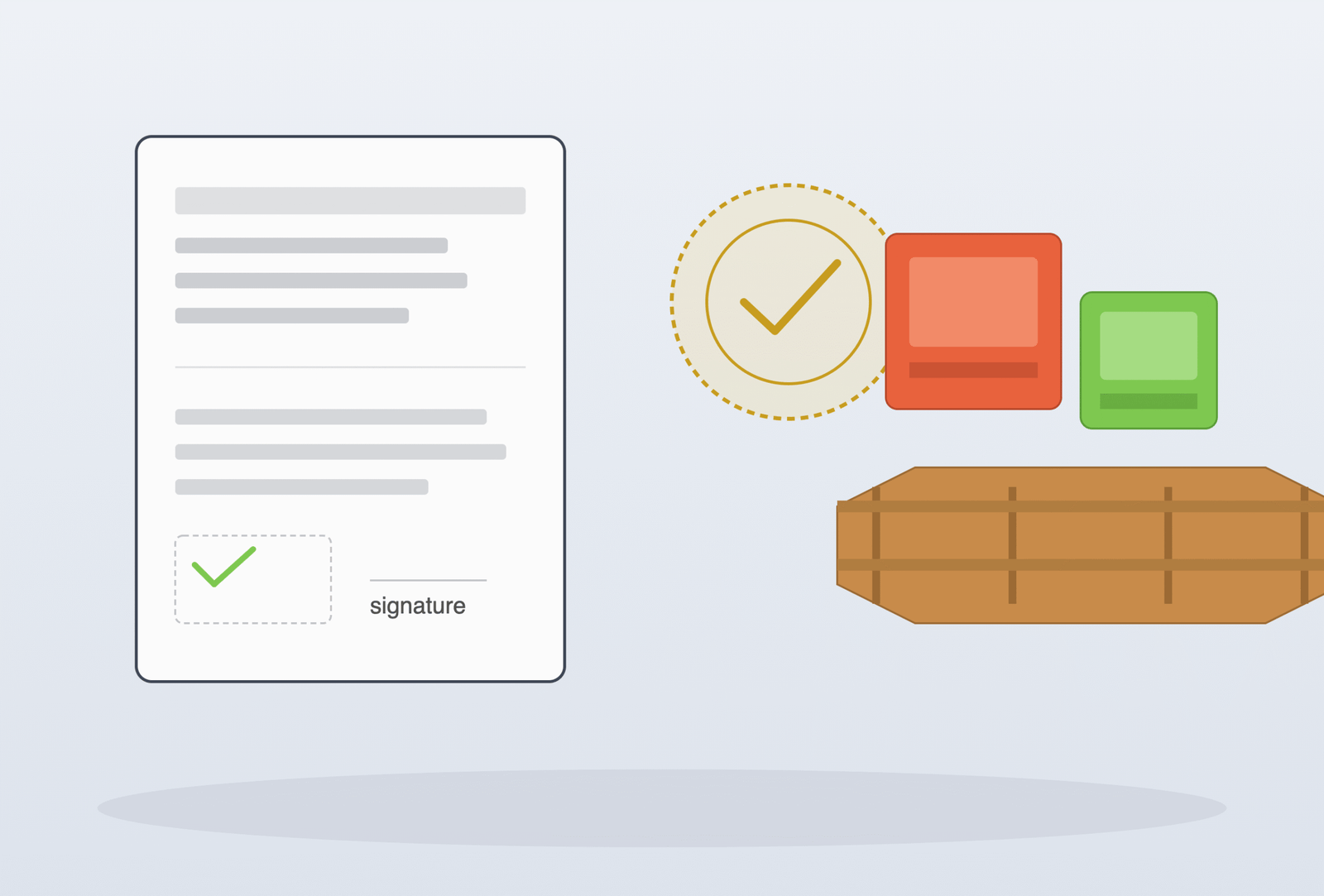
When people ask about getting licensed to buy liquidation pallets, they’re usually lumping together three different things that each serve a different purpose. Understanding the distinction matters, because you might need all three, or you might only need one, depending on how serious your operation is and which suppliers you’re working with.
The first is an EIN, or Employer Identification Number. Think of it as a Social Security number for your business. The IRS issues it for free, and it takes about ten minutes if you apply online. You’ll use it to open a business bank account, file taxes, and this is the part that matters here register with most legitimate wholesale suppliers who won’t work with an anonymous individual buyer.
The second is a reseller’s permit, sometimes called a resale certificate or sales tax permit depending on which state you’re in. This is issued by your state’s Department of Revenue, and it’s the document that actually lets you buy inventory tax-free because you’re planning to resell it rather than use it yourself.
The third is a general business license, which is more of a local requirement than a state one. Your city or county might require this just to legally operate any kind of business within their jurisdiction, liquidation reselling included.
Most of the confusion I see comes from people assuming these three things are the same document, or that you need some kind of special industry-specific license that doesn’t actually exist. It doesn’t. What you need is standard business paperwork that happens to matter a lot in this particular business model because of how sales tax works.
License to Buy Liquidation Pallets — Why This Isn’t Optional the Way People Think
I want to be honest with you here. Plenty of people buy their first pallet or two without any of this paperwork in place, and nothing bad happens immediately. Small suppliers and individual sellers on Facebook Marketplace often don’t ask questions. But the moment you start buying regularly, or you want access to better inventory from larger, more established suppliers, this paperwork stops being optional in any practical sense. Reputable wholesalers build their entire business around b2b relationships, and part of that means verifying you’re a legitimate reseller before they’ll even create an account for you.
There’s also a financial reason to get this right early, separate from whether a supplier requires it. If you buy pallets without a proper sales tax exemption certificate on file, you’ll typically pay sales tax on the full purchase price at checkout. That tax gets baked into your cost of goods before you’ve made a single sale. Then, when you resell those items, you’re expected to collect sales tax from your own customers on top of that. Congratulations, you’ve just paid tax twice on the same merchandise, and that’s real money coming straight out of your margin for no reason other than missing paperwork.
Reseller’s Permit for Liquidation Pallets — How It Actually Works
Reseller’s Permit for Liquidation Pallets — What the Document Does
A reseller’s permit for liquidation pallets is, at its core, proof to your supplier and to your state that you’re buying inventory for resale, not personal use. When you present this permit at the time of purchase, the seller doesn’t charge you sales tax. Instead, the tax obligation shifts downstream to when you actually sell the item to your end customer, and it becomes your responsibility to collect and remit that tax at that point.
This is exactly how the tax system is designed to work across nearly every retail supply chain. Wholesalers sell to retailers tax-free, retailers sell to consumers and collect tax, and the tax gets paid once at the final point of sale rather than getting layered on every time a product changes hands. Liquidation pallets work the same way you’re a retailer in this chain, even if your “store” is an eBay account or a folding table at a flea market.
Reseller’s Permit for Liquidation Pallets — How to Actually Apply
Every state handles this a little differently, which is honestly one of the more annoying parts of running a resale business that touches multiple jurisdictions. In most states, you’ll apply through your state’s Department of Revenue, either online or by mailing in a form. Some states call it a seller’s permit, others call it a sales tax license, and a few use the term resale certificate almost interchangeably with reseller’s permit. The terminology shifts, but the function is the same everywhere.
Processing time varies too. Some states approve applications almost instantly online. Others can take a few weeks, particularly if you’re applying by mail or during a high-volume filing period. My honest advice is to start this process as early as possible, ideally before you’ve picked out your first pallet, because there’s nothing more frustrating than finding the perfect deal and then realizing you’re not set up to buy it tax-free yet.
Reseller’s Permit for Liquidation Pallets — Do All Suppliers Require One
Not every liquidation supplier is going to ask for this upfront. Smaller sellers, individual flippers offloading extra inventory, and casual marketplace listings often skip the verification step entirely. But here’s the pattern I’ve noticed after years in this space: the suppliers who do require a resale certificate tend to be the more established, reliable ones. It’s actually a decent signal of legitimacy. A supplier who doesn’t care whether you’re a real business, and doesn’t ask any questions about tax documentation, is often the same type of supplier who’s cutting corners in other ways too unclear manifests, inflated retail value claims, inconsistent shipping. Suppliers who take the paperwork seriously usually take the rest of the business seriously as well.
Resale Certificate Liquidation Pallets — Where This Fits Into Multi-State Selling
If you’re only buying and selling within a single state, this section is fairly simple. But a lot of resellers, especially anyone selling on eBay, Amazon, Poshmark, or similar platforms, end up shipping to customers across the entire country. This is where the resale certificate liquidation pallets conversation gets a bit more layered.
The good news first: most major online marketplaces now automatically collect and remit sales tax on your behalf based on the buyer’s location, thanks to marketplace facilitator laws that have rolled out across nearly every state over the past several years. That takes a huge amount of the collection burden off individual sellers. What still matters, though, is your purchasing side. Your resale certificate is generally tied to the state where your business is registered, and that’s the document you present to your suppliers when buying inventory, regardless of where your eventual customers are located.
Where things get more complicated is if you’re selling through your own website rather than a marketplace, and you’re doing high enough volume that you trigger what’s called economic nexus in other states — meaning you might owe sales tax registration in states beyond your home state. That’s a genuinely complex area of tax law, and if your business gets to that scale, it’s worth a conversation with an accountant rather than trying to piece it together from blog posts. For most people just starting out with a pallet or two a month, this isn’t something you need to worry about yet.
Sales Tax Exemption Certificate — The Part Everyone Underestimates
Sales Tax Exemption Certificate — What Happens Without One
I mentioned this briefly already, but I want to really drive the point home because I’ve seen it cost people real money. Say you buy a $1,000 pallet without a sales tax exemption certificate on file. Depending on your state’s sales tax rate, that could easily add another $60 to $90 onto your purchase price right at checkout. That’s money gone before you’ve even opened the box.
Now multiply that across every pallet you buy over a year. If you’re buying even modestly — say, one pallet a month — that’s potentially $700 to $1,000 a year in sales tax you didn’t need to pay, just because the paperwork wasn’t in place. That’s not a rounding error. That’s real margin that should have stayed in your pocket.
Sales Tax Exemption Certificate — Keeping It on File
Once you have your exemption certificate, most suppliers will ask you to submit it once during account setup rather than every single time you order. It’s worth keeping a digital copy saved somewhere easy to find, because you’ll likely need to provide it again if you start working with new suppliers down the road. Some liquidation marketplaces require it before they’ll even let you view pricing or place a bid, so having it ready from day one genuinely speeds up how quickly you can start buying.
EIN for Liquidation Business — Getting Set Up the Right Way
EIN for Liquidation Business — Why You Probably Want One Even as a Solo Seller
A lot of people assume an EIN is only necessary if you have employees, but that’s not really the case in practice. Even as a sole proprietor working entirely alone, having an EIN for liquidation business purposes gives you a cleaner separation between your personal finances and your business activity. It lets you open a dedicated business bank account, which makes bookkeeping dramatically easier come tax season, and it’s often expected by suppliers as part of their standard registration process, even if it’s not strictly legally required in your specific state.
EIN for Liquidation Business — How to Apply
This is genuinely one of the easiest parts of the entire process. You can apply directly and instantly through the IRS’s official EIN application portal, and it’s completely free. Be cautious of third-party websites that charge a fee to “help” you get an EIN you never need to pay for this. The application takes about ten minutes if you have your basic business information ready, and you typically receive your number immediately upon completion.
Liquidation Pallet Business License — The Local Layer Most People Forget
Liquidation Pallet Business License — Why This Is Different From Your State Paperwork
Your reseller’s permit and EIN operate at the state and federal level. A liquidation pallet business license, on the other hand, is usually a city or county requirement, and it’s the piece people most often forget about because it doesn’t come up in the same conversations about sales tax. Requirements vary enormously depending on where you live. Some cities require a general business operating license for literally any income-generating activity conducted from a residential address, including reselling. Others have no local requirement at all beyond your state-level registration.
Costs typically range from $50 to $150 annually where required, and the application process usually involves your city hall or county clerk’s office. This isn’t something with a national standard, so the honest answer is: check with your specific local government rather than assuming either that you definitely need one or that you definitely don’t.
Liquidation Pallet Business License — Do You Need an LLC First
This comes up constantly, so let me address it directly. No, you do not need to form an LLC before you can get a resale certificate or start buying liquidation pallets. In most states, sole proprietors can register for a reseller’s permit using their own Social Security number, no separate business entity required. An LLC is a completely optional decision that mainly provides personal liability protection, separating your personal assets from any business debts or legal issues. If you’re curious about the tradeoffs between different business structures, the SBA’s official guide to choosing a business structure breaks down sole proprietorships, LLCs, and other options clearly.
Plenty of successful resellers operate as sole proprietors for years before ever forming an LLC, often waiting until their volume and profit justify the additional paperwork and cost. There’s no rule that says you have to start with one.
Common Mistakes People Make Around Liquidation Pallet Licensing
Let me run through the mistakes I see most often, because avoiding these will put you ahead of a huge percentage of first-time buyers.
Buying before your permit is approved. I know the temptation. You find a pallet that looks perfect, and waiting even two or three weeks for your resale certificate to process feels unbearable. But buying before approval means paying sales tax you didn’t need to pay, and there’s no way to retroactively claim that back easily. Start your application before you start shopping for inventory, not after.
Assuming your home state paperwork covers everything everywhere. If you’re buying from suppliers in different states, or selling into states beyond your own, the rules can shift. It’s not usually a dealbreaker for small operations, but it’s worth understanding rather than assuming.
Treating this as optional because the business feels casual. I hear this a lot: “I’m just doing this part-time, it’s not really a business yet.” Legally, the moment you’re regularly buying inventory with the intent to resell it for profit, you’re operating a business, whether or not it feels like one. Getting the basic paperwork sorted protects you from fines and back taxes down the line, and it genuinely doesn’t take that much effort relative to the protection it gives you.
Not keeping documentation organized. Once you have your EIN, resale certificate, and any local licenses, keep digital copies in one place. You’ll need to reference or resubmit these more often than you’d expect, especially as you add new suppliers.
How This Fits Into Actually Starting Your Business
If you’re still in the planning stages and haven’t bought your first pallet yet, this paperwork step pairs naturally with the broader groundwork we cover in our guide on how to start a liquidation pallet business from scratch with $500 or less. Getting your liquidation pallet business license situation sorted early, alongside your EIN and resale certificate, means you’re ready to move the moment you find inventory worth buying, rather than losing a good deal while you scramble for documentation.
It’s also worth reading through our guide on spotting liquidation pallet scams before you make your first purchase. As I mentioned earlier, suppliers who take your tax documentation seriously are generally the same suppliers who take the rest of their business seriously. Sellers who skip verification entirely, especially ones asking for unusual payment methods or offering deals that sound too good to be true, deserve extra scrutiny.
Buy With Confidence from Wholesale Pallet Depot
Once your paperwork is in order, Wholesale Pallet Depot makes the actual buying process straightforward. We’re a national supplier working directly with major retail supply chains, and we support resellers at every stage, whether you’re placing your very first order or scaling into weekly truckloads.
Browse our full range of liquidation pallets and customer returns pallets, with honest condition grading on every listing so you know exactly what you’re getting before it ships. If you have questions about setting up your account, submitting your resale certificate, or which category makes sense for your resale channel, our contact page connects you directly with our team.
👉 Browse all liquidation pallets for sale at wholesalepalletdepot.shop
FAQs About Liquidation Pallets for Sale
Do I legally need a license to buy liquidation pallets?
There’s no single “liquidation license” that exists separately from standard business paperwork. What you typically need is an EIN, a reseller’s permit or resale certificate for sales tax purposes, and possibly a local business license depending on your city or county. Many smaller suppliers don’t require this documentation, but established, reputable suppliers generally do.
What’s the difference between a reseller’s permit and a resale certificate?
In practice, these terms are used interchangeably across most states. Both refer to the document issued by your state’s Department of Revenue that lets you purchase inventory tax-free because you intend to resell it, shifting the sales tax collection responsibility to the point where you sell to your end customer.
Do I need an LLC to buy liquidation pallets?
No. Sole proprietors can register for a resale certificate and buy liquidation pallets without forming an LLC in most states. An LLC is an optional structure that adds personal liability protection, and it’s a completely separate decision from your tax registration paperwork.
How long does it take to get a resale certificate?
This varies significantly by state. Some states process applications almost instantly online, while others can take a few weeks. Start your application as early as possible, ideally before you’re actively shopping for your first pallet.
What happens if I buy liquidation pallets without a resale certificate?
You’ll typically be charged sales tax on the full purchase price, which raises your cost of goods before you’ve made a single sale. Some suppliers may also decline to register your account at all without proper documentation on file.
Are liquidation pallets actually worth buying as a reseller?
Yes, for a huge number of resellers this is a genuinely profitable business model, particularly once your sourcing, pricing, and sales channels are dialed in. Liquidation pallets let you access retail inventory at a steep discount, often 70 to 90 percent below retail value, though profitability depends heavily on category, condition, and how efficiently you can sell through your inventory.
What’s the minimum I need to start buying liquidation pallets?
Beyond your basic paperwork, most beginners get started with somewhere between $500 and $1,500 for their first pallet, depending on the category. Starting with a single pallet before scaling up is generally the smartest way to learn the process without overcommitting.
Where can I buy liquidation pallets once my paperwork is set up?
Wholesale Pallet Depot offers honestly graded liquidation pallets and customer returns pallets across dozens of categories, from electronics and apparel to tools and general merchandise. Browse current inventory at wholesalepalletdepot.shop/shop or reach out to our team with any questions before placing your first order.
Wholesale Pallet Depot — Your trusted national source for liquidation pallets for sale. Verified inventory, honest grading, and real customer support — shipped to your door anywhere in the country.