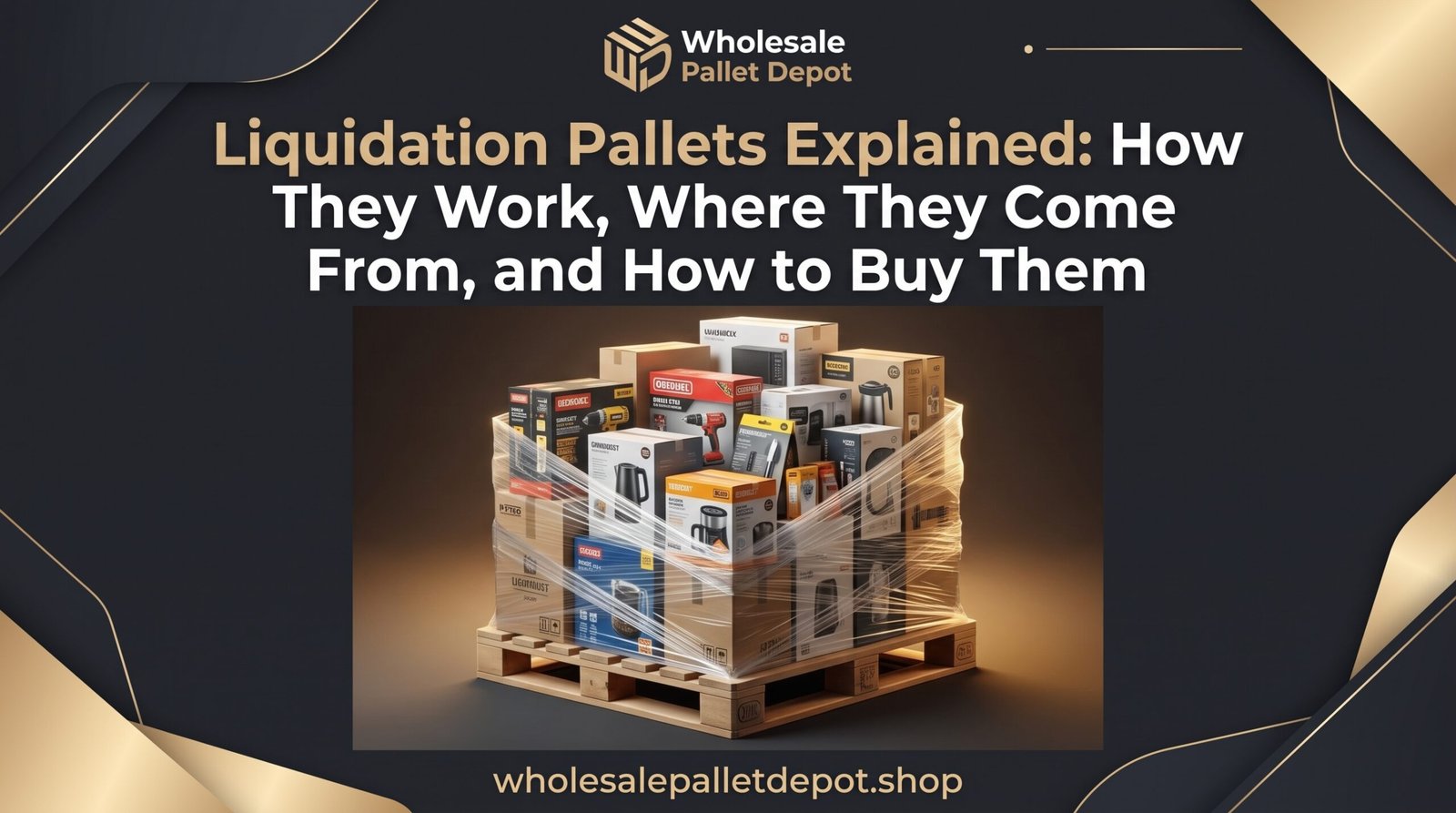
Every year, retailers deal with millions of returned, overstock, and unsold products. According to the National Retail Federation, retail returns represent a significant part of modern commerce, creating large volumes of inventory that businesses need to manage efficiently.. Instead of keeping these products in warehouses, many companies sell them through liquidation pallets explained to recover value and help other businesses access affordable inventory.
If you are interested in starting a resale business, you may have seen people buying discounted inventory and selling products online. However, successful resellers do not simply buy cheap products and hope for profits. They understand where inventory comes from, how product conditions work, and how to calculate potential returns.
Liquidation pallets give entrepreneurs an opportunity to purchase products below traditional wholesale prices. These pallets can include electronics, clothing, appliances, tools, beauty products, toys, and many other categories.
However, buying liquidation inventory also requires research. Some pallets contain brand-new products, while others include customer returns or items that need testing before resale.
This guide explains how liquidation pallets work, where they come from, what you can expect inside them, and how you can buy them safely for your resale business.
What Are Liquidation Pallets Explained and How Do They Work?
Liquidation pallets are large packages of products that companies sell when they no longer want to keep certain inventory. Retailers, manufacturers, and distributors use liquidation channels to move products that are returned, discontinued, overstocked, or difficult to sell through normal retail channels.
Instead of selling hundreds or thousands of individual items separately, companies bundle products into pallets and sell them to businesses, wholesalers, and resellers.
For example, a retailer may receive thousands of customer returns after a major shopping season. Some products may still work perfectly, while others may have damaged packaging or require minor repairs. Rather than processing every item individually, the retailer may sell the inventory through a liquidation marketplace.
A reseller then purchases the pallet, sorts the products, tests items, creates listings, and sells them through platforms such as eBay, Facebook Marketplace, Amazon, local markets, or their own online store.
The basic process looks like this:
Retailer → Liquidation company → Wholesale buyer → Reseller → Customer
This system creates opportunities for small businesses while helping retailers recover money from unused inventory.
Companies like B-Stock Solutions connect buyers with surplus and returned inventory from major retailers. Similarly, Direct Liquidation provides wholesale liquidation inventory from retailers and manufacturers.
Why Do Companies Sell Liquidation Pallets?
Companies sell liquidation pallets because storing unwanted inventory costs money. Warehouses require space, employees need to manage products, and businesses need efficient ways to recover their investment.
Retail businesses constantly change their inventory based on customer demand, seasons, and product trends. Products that sell well today may become outdated or difficult to sell later.
Liquidation allows companies to clear inventory while giving buyers access to discounted products.
The most common sources of liquidation inventory include:
- Customer returns
- Overstock products
- Shelf pulls
- Store closures
- Discontinued products
- Seasonal inventory
Each source creates different opportunities and challenges for buyers.
How Customer Returns Create Liquidation Pallets
Customer returns are one of the largest sources of liquidation pallets.
Online shopping has increased return rates because customers often send products back for many reasons. They may receive the wrong item, change their mind, find a better option, or return a product with damaged packaging.
Returned products do not always mean defective products.
Many customer returns include items that are:
- Unused
- Open-box
- Like-new condition
- Missing only original packaging
Customer returns pallets may include:
- Electronics
- Home appliances
- Clothing
- Furniture
- Beauty products
- Toys
- Tools
However, customer return pallets also carry more uncertainty. Some items may require testing, cleaning, repairs, or replacement accessories before resale.
Smart buyers understand this risk and calculate potential costs before purchasing.
How Overstock Inventory Creates Liquidation Pallets
Overstock inventory happens when retailers purchase more products than customers buy.
For example, a retailer may order thousands of seasonal products before a holiday. If demand is lower than expected, the company may have excess inventory remaining after the season ends.
Instead of storing those products for months or years, businesses often move them through liquidation channels.
Overstock products can be attractive because many items remain:
- New
- Unused
- Factory packaged
- Ready for resale
For beginners, overstock inventory may provide a more predictable buying experience compared with unknown customer returns.
How Shelf Pull Products Become Liquidation Pallets
Shelf pulls are products removed from store shelves because retailers need space for new inventory.
These products are often still in good condition but no longer fit the retailer’s current sales strategy.
Examples include:
- Previous product versions
- Seasonal merchandise
- Products with updated packaging
- Items replaced by newer models
Shelf pulls can be valuable for resellers because they often require less work than damaged returns.
However, you should still research customer demand before purchasing. A product being new does not automatically mean it will sell quickly.
What Types of Liquidation Pallets Can You Buy?
The products inside liquidation pallets depend on the supplier, retailer, and inventory source.
Some buyers prefer specific categories because they understand the market better. Others choose mixed pallets because they enjoy discovering different products.
Popular categories include:
How Electronics Liquidation Pallets Work
Electronics are among the most popular types of liquidation pallets because many products maintain strong resale value.
Common electronics inventory includes:
- Laptops
- Smartphones
- Gaming accessories
- Headphones
- Tablets
- Smart home products
Electronics can offer strong profit opportunities, but they require careful testing.
Before selling electronics, you may need to check:
- Power functionality
- Battery condition
- Accessories
- Screen quality
- Software issues
A low purchase price does not guarantee profit. Testing time, repairs, and missing parts can affect your final margins.
You can explore available inventory through our shop page to find current liquidation products.
How Clothing Liquidation Pallets Work
Clothing is another popular category for resellers because customers purchase apparel throughout the year.
Clothing liquidation pallets may include:
- Shirts
- Jackets
- Shoes
- Accessories
- Brand-name apparel
Many boutique owners and online sellers use wholesale clothing pallets because they can build inventory without paying traditional wholesale prices.
However, clothing sellers need to understand:
- Current trends
- Popular brands
- Customer preferences
- Seasonal demand
A pallet full of unwanted styles can create storage problems if you cannot sell the products quickly.
How Beauty Liquidation Pallets Work
Beauty products attract many resellers because customers regularly purchase skincare, cosmetics, and personal care products.
Beauty liquidation pallets may include:
- Makeup
- Skincare
- Hair products
- Personal care items
Before listing these products, always check:
- Expiration dates
- Packaging condition
- Product seals
- Safety information
Selling damaged or expired products can create customer complaints and damage your reputation.
Are Liquidation Pallets Worth Buying?
Many beginners ask whether liquidation pallets are worth buying.
The answer depends on your research, experience, selling strategy, and ability to manage inventory.
For some entrepreneurs, liquidation inventory creates a profitable business opportunity because they purchase products at lower prices and increase value through better listings, testing, cleaning, and customer service.
However, liquidation pallets are not guaranteed profits.
You should understand:
- Product condition risks
- Shipping costs
- Storage needs
- Marketplace fees
- Selling time
Successful resellers focus on building a system rather than expecting every pallet to create huge profits.
What Are the Benefits of Buying Liquidation Pallets?
The biggest advantage of liquidation pallets is affordable inventory.
Compared with traditional wholesale purchasing, liquidation allows smaller businesses to access products at lower prices.
Other benefits include:
Lower Inventory Costs
You can purchase large quantities of products without paying standard retail or wholesale prices.
Access to Brand-Name Products
Many liquidation sources contain products from recognizable brands that already have customer demand.
Multiple Business Opportunities
You can sell products through:
- Online marketplaces
- Local stores
- Flea markets
- Social media
- Your own website
Ability to Test Different Niches
Liquidation allows entrepreneurs to explore different product categories without committing to expensive inventory purchases.
What Are the Risks of Buying Liquidation Pallets?
While liquidation pallets create opportunities, buyers should understand the risks.
Common challenges include:
Unknown Product Conditions
Some pallets contain mixed-condition products. You may receive items that need repairs or cannot be sold.
Storage Requirements
A pallet requires space. Before buying, consider where you will store and organize inventory.
Shipping Costs
Freight shipping can significantly affect your final profit.
Review our shipping policy before purchasing so you understand delivery expectations.
Slow-Selling Products
Not every product will sell quickly. Some items may require discounts or different marketing strategies.
Professional sellers calculate risks before making purchases.
How to Buy Liquidation Pallets Safely
Buying liquidation pallets requires planning.
Before purchasing, follow these steps:
Research the Supplier
Look for:
- Business information
- Clear policies
- Product details
- Customer feedback
- Transparent communication
Avoid suppliers that make unrealistic profit promises.
Understand the Manifest
A manifest is a list of products expected inside a pallet.
Manifested pallets usually provide:
- Product names
- Quantities
- Categories
- Estimated values
Unmanifested pallets provide less information and usually carry more uncertainty.
Beginners often prefer manifested inventory because it allows better planning.
Calculate Total Costs
Do not only consider the pallet price.
Include:
- Shipping
- Repairs
- Packaging
- Marketplace fees
- Storage
Your real profit depends on your total investment.
Can You Start a Liquidation Pallet Business?
Yes, many entrepreneurs start small and grow their inventory over time.
A successful liquidation pallets business requires more than buying products. You need a process for:
- Finding inventory
- Inspecting products
- Creating listings
- Managing customers
- Tracking profits
Start with categories you understand. Product knowledge helps you identify valuable items and avoid poor purchases.
The U.S. Small Business Administration provides resources for entrepreneurs who want to understand business planning, operations, and growth strategies.
Frequently Asked Questions About Liquidation Pallets Explained
Are liquidation pallets profitable?
Liquidation pallets can be profitable when buyers choose the right inventory, control costs, and sell products effectively. Profit depends on product quality, demand, expenses, and selling strategy.
Can beginners buy liquidation pallets?
Yes. Beginners can purchase liquidation inventory, but they should start with smaller purchases and learn how product conditions and pricing work.
Are liquidation pallets risky?
Yes. Some pallets include damaged, incomplete, or slow-selling products. Research and careful buying reduce these risks.
Where can I buy liquidation pallets?
You can purchase from liquidation companies, wholesale marketplaces, and trusted suppliers. Always review inventory details and policies before buying.
What is the difference between wholesale and liquidation pallets?
Wholesale inventory usually contains predictable products, while liquidation inventory often includes returns, overstock, or mixed-condition items at discounted prices.
Final Thoughts on Liquidation Pallets
Liquidation pallets create opportunities for entrepreneurs who want affordable inventory and a flexible resale business model.
However, success does not come from buying the cheapest pallet available. Successful sellers research products, understand risks, calculate costs, and build reliable selling systems.
Whether you want to start a side hustle or grow a full resale operation, understanding how liquidation works is the first step.
Explore our available inventory through our shop page or contact our team through our contact page if you have questions about available pallets.
Before purchasing, you can also review our refund policy to understand our terms and conditions.