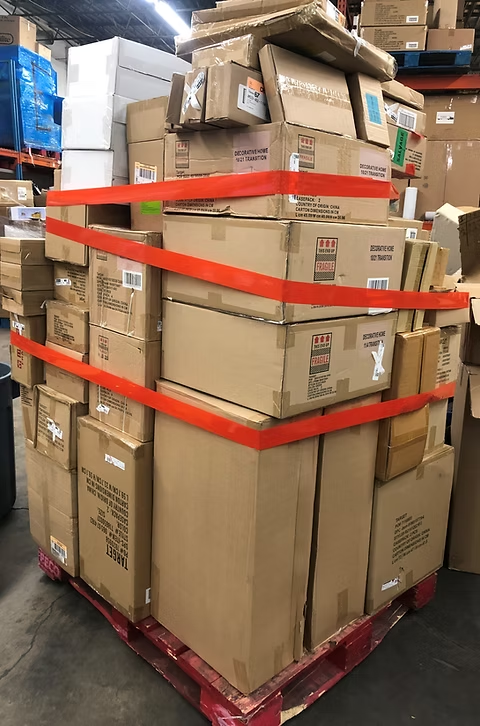
Amazon liquidation pallets have become one of the most popular ways for resellers, small business owners, flea market vendors, online sellers, and bargain buyers to source inventory at below-retail prices. Instead of buying products one by one, buyers can purchase a pallet filled with returned, overstock, shelf-pulled, or surplus merchandise and then resell individual items for a potential profit.
At Wholesale Pallet Depot, available at https://wholesalepalletdepot.shop/, buyers can explore liquidation pallets that may include general merchandise, electronics, clothing, shoes, tools, cosmetics, home goods, and other resale-friendly products. For many sellers, Amazon liquidation pallets are attractive because they offer variety, bulk value, and the opportunity to turn one pallet into many individual sales.
But not every pallet is the same. Some loads are better for beginners. Some are better for experienced resellers. Some buyers prefer manifested pallets, where the inventory list is clearer. Others like Amazon mystery pallets because the lower upfront information can come with surprise value. The key is knowing what you are buying, what to check before ordering, and how to create a realistic resale plan before the pallet arrives.
This guide breaks down what Amazon liquidation pallets are, what may come inside them, how they compare to Amazon return pallets and general merchandise pallets, what resellers should check before buying, and how to improve your chances of making a profit.
H2: Wholesale Pallet Depot Guide: What Are Amazon Liquidation Pallets?
Amazon liquidation pallets are bulk lots of merchandise that may come from returns, overstock, closeouts, shelf pulls, undelivered orders, or surplus inventory. These products are grouped together and sold by the pallet instead of being sold individually through traditional retail channels.
A single pallet can include dozens or even hundreds of items, depending on the category, size, and type of load. For example, a general merchandise pallet may contain small household items, electronics accessories, clothing, tools, toys, beauty products, kitchen items, and other everyday goods. A more category-specific pallet may focus on shoes, electronics, apparel, appliances, or mystery boxes.
The reason these pallets appeal to resellers is simple: the cost per item can be much lower than buying new inventory at retail prices. That gives resellers room to sort, test, clean, photograph, list, and sell items individually through platforms like Facebook Marketplace, eBay, flea markets, local stores, bin stores, pop-up shops, or social media selling pages.
At Wholesale Pallet Depot, Amazon-related pallet options include Amazon mystery box liquidation pallets and Amazon general merchandise pallets, giving buyers different ways to source inventory depending on their budget and resale strategy.
H2: Wholesale Pallet Depot Breakdown: What’s Inside Amazon Liquidation Pallets?
The exact contents of Amazon liquidation pallets can vary, but many pallets include a mix of returned, overstock, and general merchandise products. This is one reason buyers like them: each pallet can contain a wide variety of items that appeal to different customers.
Common product types may include:
- Electronics and accessories
- Clothing and footwear
- Home goods and kitchen items
- Tools and hardware
- Toys and games
- Health and beauty products
- Small appliances
- Office supplies
- General merchandise
- Seasonal items
- Open-box products
- Customer return items
- Overstock inventory
For resellers, variety can be a major advantage. A pallet with many product types gives you more selling opportunities. You may find items that are perfect for online marketplaces, others that move faster locally, and some that can be bundled together for quick cash flow.
However, variety also means you need a process. When your pallet arrives, you should sort products by category, condition, resale value, and selling channel. Higher-value items may deserve individual listings with detailed photos. Lower-cost items may sell better in bundles, discount bins, or local lots.
H2: Wholesale Pallet Depot Insight: Amazon Return Pallets vs. Amazon Liquidation Pallets
Many buyers use the terms Amazon return pallets and Amazon liquidation pallets as if they mean the same thing, but there can be differences.
Amazon return pallets usually refer to pallets made mostly from customer returns. These items may have been opened, lightly used, damaged, missing packaging, or returned simply because the customer changed their mind. Some items may work perfectly. Others may need testing, cleaning, repair, or discount pricing.
Amazon liquidation pallets can be a broader category. They may include customer returns, but they can also include overstock, shelf pulls, surplus goods, closeout items, and general merchandise pallets. That means the condition mix may vary depending on the source and pallet type.
H3: Wholesale Pallet Depot Tip: Why Customer Return Pallets Need Extra Checking
Customer return pallets can be profitable, but they require careful inspection. A returned item does not automatically mean a bad item. Many returns happen because of wrong size, buyer’s remorse, damaged packaging, duplicate orders, or delivery issues.
Still, resellers should be prepared for mixed conditions. Some products may be new or like new. Some may be open box. Some may need parts. Some may not be worth reselling individually. The best resellers understand that profit comes from sorting the load properly, not assuming every item will sell at full retail price.
H2: Wholesale Pallet Depot Guide: Amazon Mystery Pallets and How They Work
Amazon mystery pallets are popular because they add excitement to the buying process. Instead of knowing every item in advance, buyers purchase a pallet or box with a mixed selection of merchandise. These may include electronics, clothing, tools, beauty items, home goods, and other general merchandise.
The appeal of Amazon mystery pallets is the potential to discover valuable items at a lower bulk cost. A reseller may find products that sell quickly, items that can be bundled, or unexpected categories that perform well in their local market.
But mystery pallets also require realistic expectations. Because you may not know every item in advance, you should have a flexible selling plan. Mystery pallets often work best for resellers who are comfortable sorting, testing, and selling across multiple channels.
H3: Wholesale Pallet Depot Tip: Who Should Buy Amazon Mystery Pallets?
Amazon mystery pallets may be a good fit for:
- Resellers who enjoy mixed inventory
- Flea market sellers who need variety
- Bin store owners looking for bulk product
- Online sellers willing to test different categories
- Buyers who understand that each pallet is different
- Bargain hunters who like surprise inventory
They may not be the best fit for someone who needs one exact product type, one exact condition, or one exact resale margin on every item.
H2: Wholesale Pallet Depot Guide: General Merchandise Pallets for Resellers
General merchandise pallets are one of the most flexible types of liquidation inventory. These pallets often include a wide range of everyday products, making them useful for resellers who sell to broad audiences.
A general merchandise pallet may include household goods, electronics accessories, apparel, tools, toys, kitchen items, small appliances, and other popular product categories. Because these items appeal to many types of buyers, general merchandise pallets can work well for both beginners and experienced resellers.
For new sellers, general merchandise pallets are useful because they help you learn what sells in your area. You may discover that tools move quickly on Facebook Marketplace, clothing sells better in bundles, electronics need more testing but offer higher margins, and home goods perform well at flea markets.
For experienced sellers, general merchandise pallets can help keep inventory fresh. Instead of relying on one category, sellers can create multiple streams of sales from one load.
H2: Wholesale Pallet Depot Checklist: What to Check Before Buying Amazon Pallets for Sale
Before buying Amazon pallets for sale, it is important to review the details carefully. A good buying decision starts before the pallet arrives.
H3: Wholesale Pallet Depot Tip: Check the Product Category
Start by asking what kind of products are included. Is the pallet general merchandise? Electronics? Apparel? Shoes? Tools? Mystery boxes? Customer returns?
The product category matters because it affects your resale plan. Electronics may have higher resale potential but require testing. Clothing may be easier to list but may take longer to sell depending on sizes and brands. Tools may sell well locally. Beauty products may require checking expiration dates and packaging condition.
H3: Wholesale Pallet Depot Tip: Check the Condition Type
Look for clues about whether the pallet includes returns, overstock, shelf pulls, salvage, open-box goods, or mixed-condition items. Newer buyers often make the mistake of assuming every item will be brand new. In liquidation, conditions can vary.
The more comfortable you are with sorting and testing, the more flexible you can be with different pallet types.
H3: Wholesale Pallet Depot Tip: Check Quantity and Estimated Value
Some pallets include a clear item count. Others provide a range. For example, an Amazon general merchandise pallet may include many assorted items, while a larger pallet or truckload may offer more volume.
When reviewing a pallet, think about the number of items, the average resale value per item, and how quickly you can realistically sell them.
H3: Wholesale Pallet Depot Tip: Check Shipping and Delivery Costs
Shipping can affect profit. A pallet may look like a great deal, but freight costs, delivery location, liftgate needs, and unloading requirements can change your final cost.
Before buying, calculate your total landed cost. That means the pallet price plus shipping and any extra fees. Then estimate how many items you need to sell to break even.
H2: Wholesale Pallet Depot Strategy: How Resellers Profit From Amazon Liquidation Pallets
The best resellers do not just buy a pallet and hope for the best. They follow a system.
First, they calculate the total cost of the pallet. Then they sort the inventory by condition and resale value. Next, they decide where each item should be sold. Finally, they track sales, profits, and slow-moving items so they can make better buying decisions next time.
H3: Wholesale Pallet Depot Step 1: Sort the Pallet Immediately
When your pallet arrives, separate items into simple groups:
- New or sealed
- Open box
- Used but working
- Needs testing
- Needs cleaning
- Damaged or parts-only
- Bundle items
- Unsellable items
This makes the resale process easier and prevents valuable items from being overlooked.
H3: Wholesale Pallet Depot Step 2: Research Resale Prices
Do not price items based only on retail value. Check current resale prices. Look at sold listings, local marketplace prices, and competitor listings. A product that retails for $100 may only resell for $45 to $70 depending on condition, demand, and competition.
Resellers who research pricing usually make better decisions and avoid holding inventory too long.
H3: Wholesale Pallet Depot Step 3: Use the Right Selling Channel
Different items sell better in different places. Small electronics may do well on eBay. Furniture, tools, and bulky items may sell faster locally. Clothing can work on online marketplaces, flea markets, or bundle sales. Lower-value items may be best for discount bins.
Do not force every item into one sales channel. Match the product to the buyer.
H3: Wholesale Pallet Depot Step 4: Bundle Lower-Value Items
Not every item needs its own listing. If you have small accessories, household goods, toys, or mixed items, bundling can save time and increase average order value.
For example, instead of listing five low-cost kitchen items separately, you may sell them as one kitchen bundle. Instead of listing small toys one by one, create a toy lot. Bundling helps move inventory faster and reduces listing work.
H2: Wholesale Pallet Depot Advice: Best Buyers for Liquidation Pallets for Resellers
Liquidation pallets for resellers are not only for large businesses. Many different buyers can use Amazon liquidation pallets to build or expand income streams.
These pallets can be useful for:
- eBay sellers
- Facebook Marketplace sellers
- Flea market vendors
- Bin store owners
- Discount store owners
- Boutique owners
- Pop-up shop sellers
- Social media live sellers
- Small business owners
- Side-hustle resellers
The right pallet depends on your goals. A beginner may want a smaller mixed merchandise pallet to learn the process. A flea market seller may prefer general merchandise pallets with a wide range of items. A more experienced reseller may want truckloads or category-specific pallets.
H2: Wholesale Pallet Depot Buying Tips: How to Lower Risk With Amazon Liquidation Pallets
Liquidation can be profitable, but buyers should approach it like a business. That means understanding risk, planning for imperfect items, and focusing on long-term results.
H3: Wholesale Pallet Depot Tip: Start With a Budget
Do not spend your full inventory budget on your first pallet. Start with an amount you can manage. Save money for shipping, supplies, storage, testing equipment, cleaning products, and possible repairs.
H3: Wholesale Pallet Depot Tip: Expect Mixed Conditions
Even good pallets can include products in different conditions. This is normal in liquidation. Build your profit plan around the whole pallet, not one item.
H3: Wholesale Pallet Depot Tip: Keep Records
Track what you paid, what sold, where it sold, how long it took, and your final profit. Over time, this information becomes extremely valuable. You will learn which categories perform best and which pallets are worth buying again.
H3: Wholesale Pallet Depot Tip: Build Trust With Your Buyers
Your resale reputation matters. Be honest about item condition. Use real photos. Test products when possible. Mention missing packaging or cosmetic flaws. Good communication can lead to repeat customers and fewer complaints.
H2: Wholesale Pallet Depot Product Features: Why Amazon Liquidation Pallets Appeal to Buyers
Amazon liquidation pallets have several features that make them attractive to resellers and small business owners.
H3: Wholesale Pallet Depot Feature: Bulk Buying Power
Buying by the pallet allows resellers to source many items at once. This can reduce the time spent looking for individual products and help sellers stock up faster.
H3: Wholesale Pallet Depot Feature: Variety of Inventory
Mixed pallets can include many categories, giving resellers more ways to make sales. This is especially useful for sellers who serve broad customer groups.
H3: Wholesale Pallet Depot Feature: Resale Potential
Because liquidation pallets are typically purchased below retail value, resellers may have room to profit after sorting, testing, and pricing items correctly.
H3: Wholesale Pallet Depot Feature: Options for Different Seller Levels
Beginners may prefer smaller mixed pallets or general merchandise. Experienced sellers may choose larger loads, category-specific pallets, or truckload options.
H3: Wholesale Pallet Depot Feature: Fresh Inventory Opportunities
Liquidation inventory changes often. That means buyers can return to https://wholesalepalletdepot.shop/ to check current pallet options and find new opportunities as inventory becomes available.
H2: Wholesale Pallet Depot Recommendation: How to Choose the Right Amazon Pallet
Choosing the right Amazon liquidation pallet depends on your selling style, storage space, budget, and market.
If you sell locally, look for products that are easy to demonstrate, easy to photograph, and popular in your area. Tools, home goods, small appliances, shoes, and general merchandise may work well.
If you sell online, consider shipping size and product condition. Small, lightweight items are easier to ship. Electronics can be profitable, but they need testing. Clothing may require more photos and accurate descriptions.
If you own a store or booth, variety matters. General merchandise pallets can keep your shelves fresh and give customers a reason to come back.
If you like surprise inventory and can handle mixed results, Amazon mystery pallets may be a good fit. If you prefer more predictable inventory, look for more detailed pallet descriptions or manifested options when available.
H2: Wholesale Pallet Depot CTA: Where to Buy Amazon Liquidation Pallets
If you are ready to explore Amazon liquidation pallets, Amazon return pallets, Amazon mystery pallets, customer return pallets, general merchandise pallets, or liquidation pallets for resellers, visit Wholesale Pallet Depot at: https://wholesalepalletdepot.shop/
Wholesale Pallet Depot offers pallet options for resellers, small business owners, bargain buyers, and anyone looking for bulk inventory opportunities. Whether you are starting your first resale side hustle or restocking an existing business, the right pallet can give you access to a wide range of products at a lower upfront cost than buying individual retail inventory.
Before ordering, review the product details, understand the pallet type, calculate your total cost, and create a resale plan. The more prepared you are, the better your chances of turning liquidation inventory into real profit.
H2: FAQs About Amazon Liquidation Pallets | Wholesale Pallet Depot
H3: What are Amazon liquidation pallets?
Amazon liquidation pallets are bulk lots of merchandise that may include customer returns, overstock products, shelf pulls, surplus goods, open-box items, or general merchandise. They are sold by the pallet instead of as individual retail products.
H3: Are Amazon return pallets profitable?
Amazon return pallets can be profitable when buyers understand the risks and have a clear resale plan. Profit depends on the pallet cost, shipping cost, product condition, resale demand, and how well the reseller sorts, tests, prices, and sells the items.
H3: What comes inside Amazon mystery pallets?
Amazon mystery pallets can include a mix of products such as electronics, clothing, tools, cosmetics, home goods, toys, kitchen items, accessories, and general merchandise. The exact contents can vary, which is why they are called mystery pallets.
H3: Where can I find Amazon pallets for sale?
You can browse Amazon pallets for sale at Wholesale Pallet Depot by visiting https://wholesalepalletdepot.shop/. Check current product listings to see available pallet categories, prices, and descriptions.
H3: Are customer return pallets good for beginners?
Customer return pallets can be good for beginners who understand that conditions may vary. New buyers should start with a manageable budget, inspect items carefully, test products when needed, and avoid expecting every item to be brand new.
H3: What are general merchandise pallets?
General merchandise pallets are mixed pallets that may include products from several categories, such as home goods, electronics, clothing, toys, tools, beauty items, and household products. They are popular because they give resellers a wide range of inventory.
H3: How do resellers make money with Amazon liquidation pallets?
Resellers make money by buying pallets in bulk, sorting the inventory, testing and cleaning items, researching resale prices, and selling products individually or in bundles through online marketplaces, local stores, flea markets, bin stores, or social media.
H3: What should I check before buying Amazon liquidation pallets?
Before buying, check the pallet category, condition type, item count, estimated value, shipping cost, seller reputation, and whether the inventory fits your resale market. You should also calculate your total landed cost before placing an order.
H3: Are Amazon liquidation pallets better than buying retail inventory?
For many resellers, Amazon liquidation pallets can offer a lower cost per item than buying retail inventory. However, liquidation pallets require more sorting, testing, and condition checking. They are best for buyers who are willing to put in the work.
H3: Why buy from Wholesale Pallet Depot?
Wholesale Pallet Depot provides liquidation pallet options for buyers looking for Amazon liquidation pallets, Amazon return pallets, Amazon mystery pallets, customer return pallets, general merchandise pallets, and liquidation pallets for resellers. To view current inventory, visit https://wholesalepalletdepot.shop/.